Mastering Cross-Docking: Streamlining Your Supply Chain for Maximum Efficiency
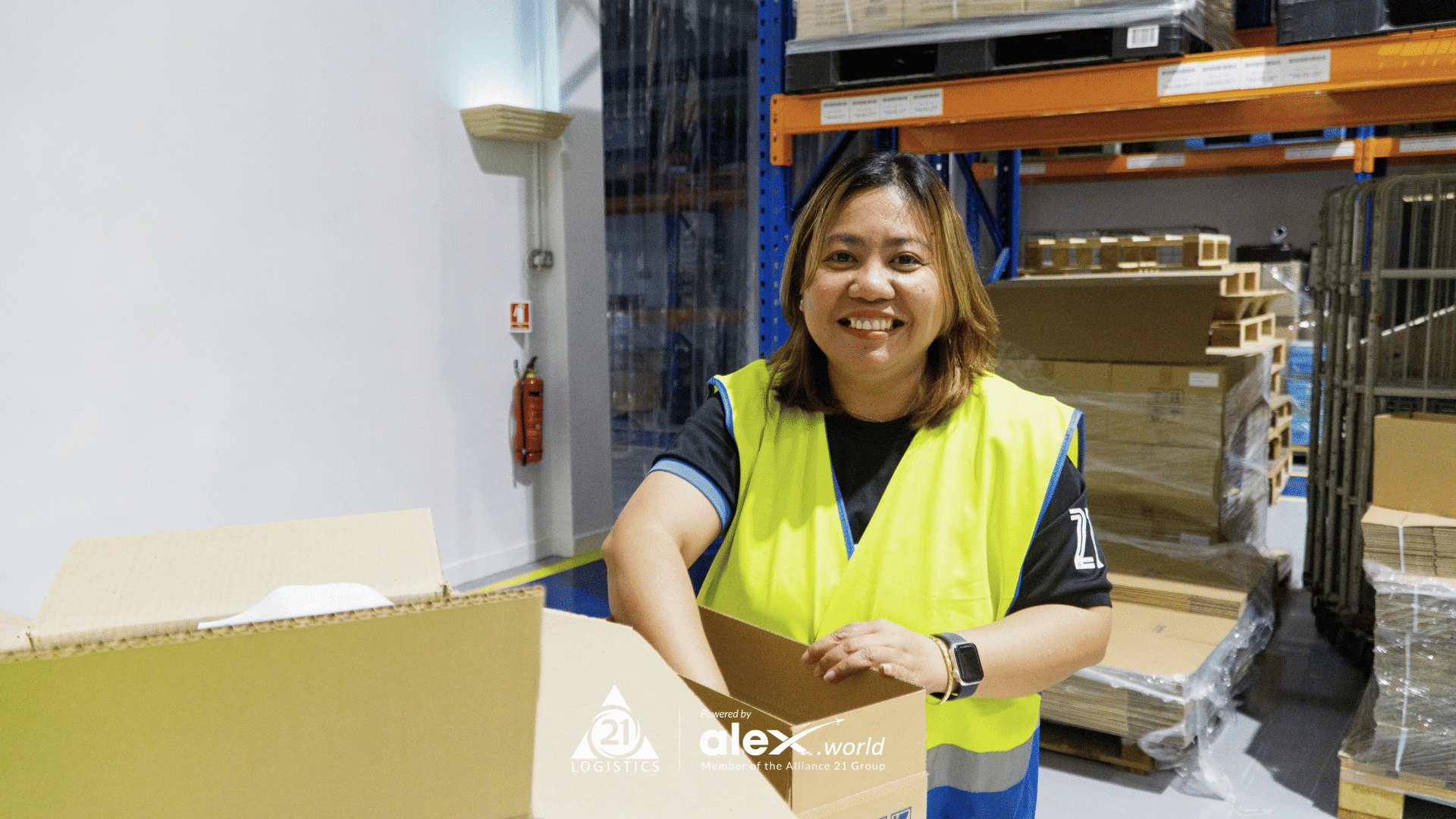
Mastering Cross-Docking: Streamlining Your Supply Chain for Maximum Efficiency
Introduction
In the fast-paced world of logistics, businesses are constantly seeking ways to reduce costs, improve delivery speed, and enhance supply chain efficiency. One strategy that has gained prominence among leading logistics providers is cross-docking. For companies operating in or through Singapore—a global logistics hub—understanding how a cross-docking warehouse functions can unlock major operational advantages.
This article explores the fundamentals of cross-docking, its benefits and challenges, and how it supports an agile and lean supply chain model.
What is Cross-Docking?
Cross-docking is a logistics practice where incoming goods are directly transferred from receiving to outbound shipping with minimal or no storage in between. Unlike traditional warehousing, where products are stored for days or weeks, cross-docking minimizes inventory holding by streamlining transfer and dispatch.
Types of Cross-Docking:
- Pre-Distribution Cross-Docking: Sorting items before they arrive at the dock, based on customer or retail orders.
- Post-Distribution Cross-Docking: Sorting goods after arrival, based on demand forecasts or real-time data.
Benefits of Cross-Docking Warehouses
- Reduced Inventory Costs: Because goods do not linger in storage, businesses save on warehousing costs, including rent, utilities, and labor.
- Faster Order Fulfillment: Cross-docking reduces handling time, allowing for quicker delivery to end customers.
- Improved Supply Chain Efficiency: By minimizing storage and handling, cross-docking helps eliminate redundancies and reduce lead times.
- Consolidation Opportunities: Smaller shipments from multiple suppliers can be consolidated into full truckloads or containers.
- Better Inventory Accuracy: With fewer touchpoints and less storage time, cross-docking reduces inventory errors and spoilage.
When Should You Use Cross-Docking?
Cross-docking is most effective in the following scenarios:
- High-volume, low-variability SKUs
- Time-sensitive shipments (e.g., retail replenishment)
- Temperature-controlled or perishable goods
- Just-in-Time (JIT) inventory models
- E-commerce distribution centers with predictable order patterns
Challenges of Implementing Cross-Docking
- High Initial Setup Costs: Requires investment in warehouse layout redesign, IT systems, and coordination.
- Supply Chain Synchronization: All players must operate with precise timing; delays in any part can disrupt the process.
- Limited Flexibility: Works best with consistent demand; sudden changes can compromise the system.
How Singapore Supports Cross-Docking Efficiency
Singapore's strategic location and world-class logistics infrastructure make it ideal for regional cross-docking operations. Key enablers include proximity to major shipping routes, advanced customs clearance processes, seamless multimodal transport connectivity, and availability of bonded and non-bonded cross-docking warehouse options.
Conclusion
As companies strive for greater supply chain agility and cost-efficiency, cross-docking warehouses offer a powerful logistics solution. While it requires careful planning and execution, the potential benefits—faster fulfillment, reduced costs, and improved inventory control—can significantly elevate supply chain performance.
Looking to streamline your supply chain operations? Discover how our cross-docking capabilities in Singapore can help you reduce costs and improve delivery speed. Contact us today.
Tags: ALEX, Logistics Provider, Transportation Solutions